

01 / LOOKING FOR A BETTER WAY
Craftsmanship, with an open mind
I have spent more than four decades working in roofing, much of that time restoring traditional and historic properties. I have always believed that traditional craftsmanship should be preserved, but that doesn’t mean we should resist better materials when they become available.
For more than 15 years, I have questioned why our industry continues to rely so heavily on lead. We have progressively removed lead from paints, petrol and many other everyday applications because of its environmental and health implications, yet it remains widely used in roofing.
My concerns weren’t simply environmental. Over the years, I have encountered failed lead valleys, poorly executed flashings and unsightly staining to otherwise beautiful buildings. I began looking seriously at alternatives.
02 / PUTTING THE MATERIAL TO WORK
Confidence earned on the roof
Copper and zinc have always been excellent materials, and I continue to use both. However, they require specialist skills and fabrication, particularly around complicated roof details. I also experimented with several manufactured lead alternatives, but none convinced me that they offered the appearance, workability and long-term confidence I expected.
That changed when I began using Leadax more than three years ago.
What impressed me wasn’t a manufacturer’s sales pitch. It was how the material actually performed in my hands and on the roofs we were restoring.
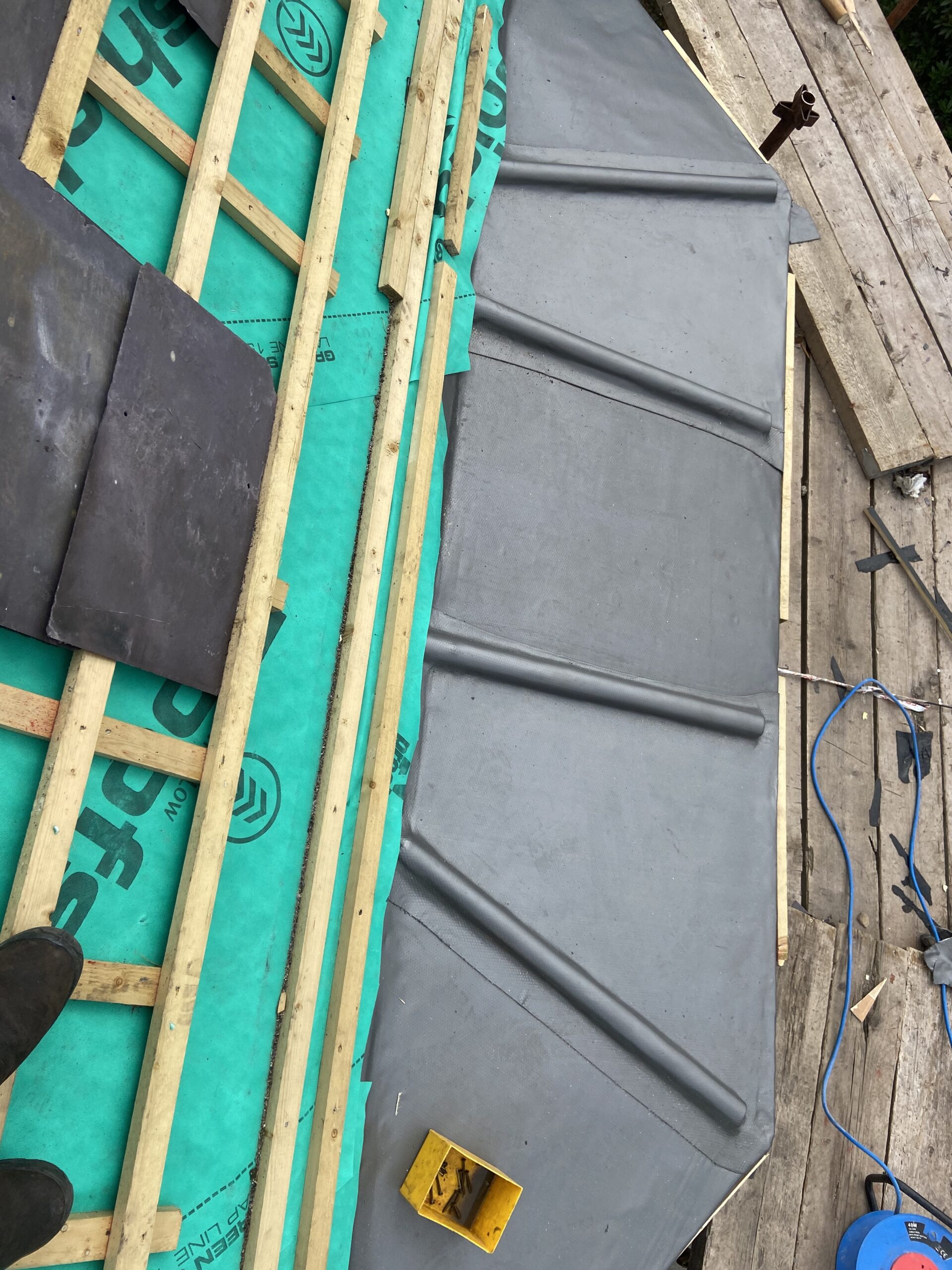
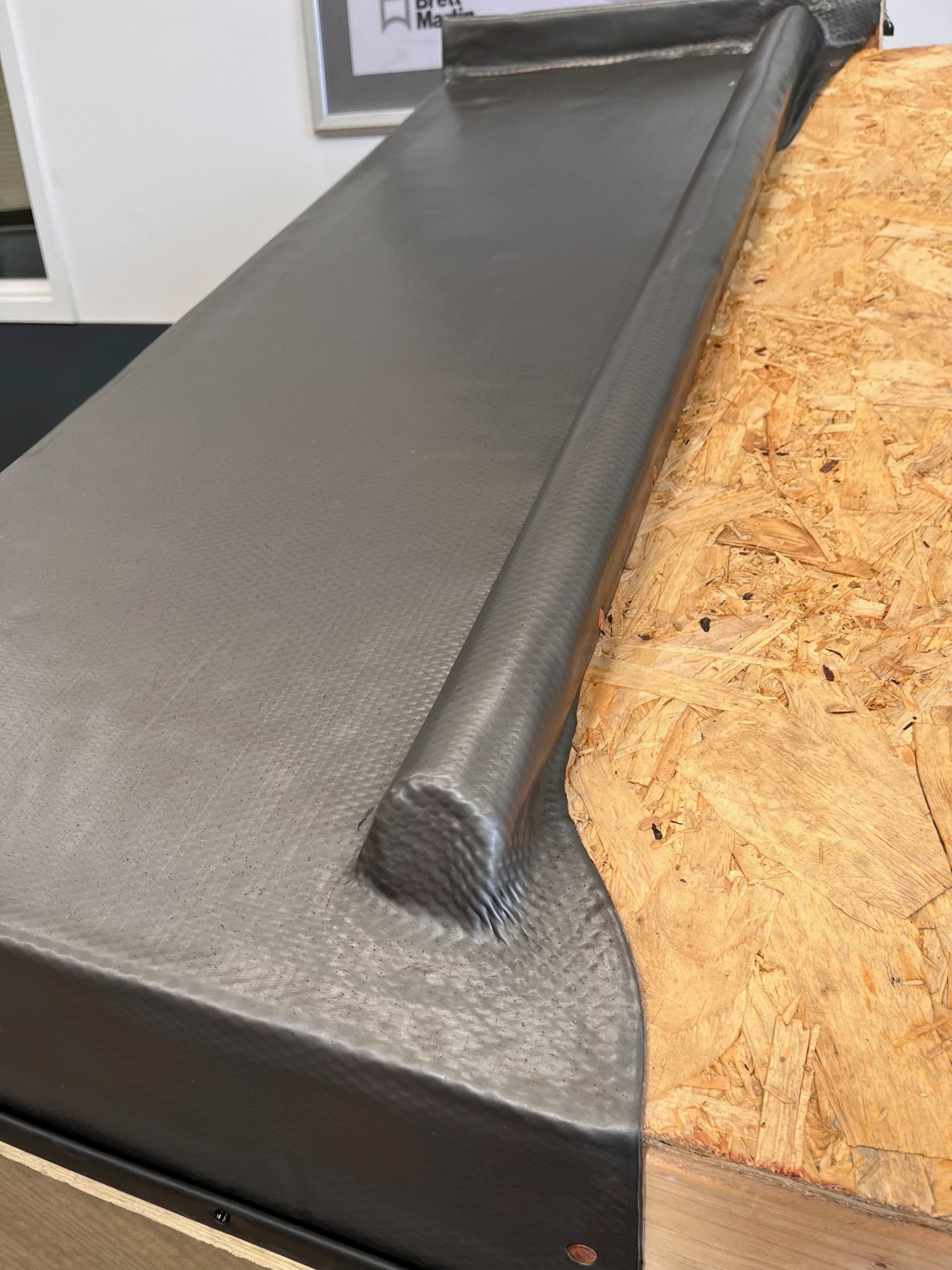
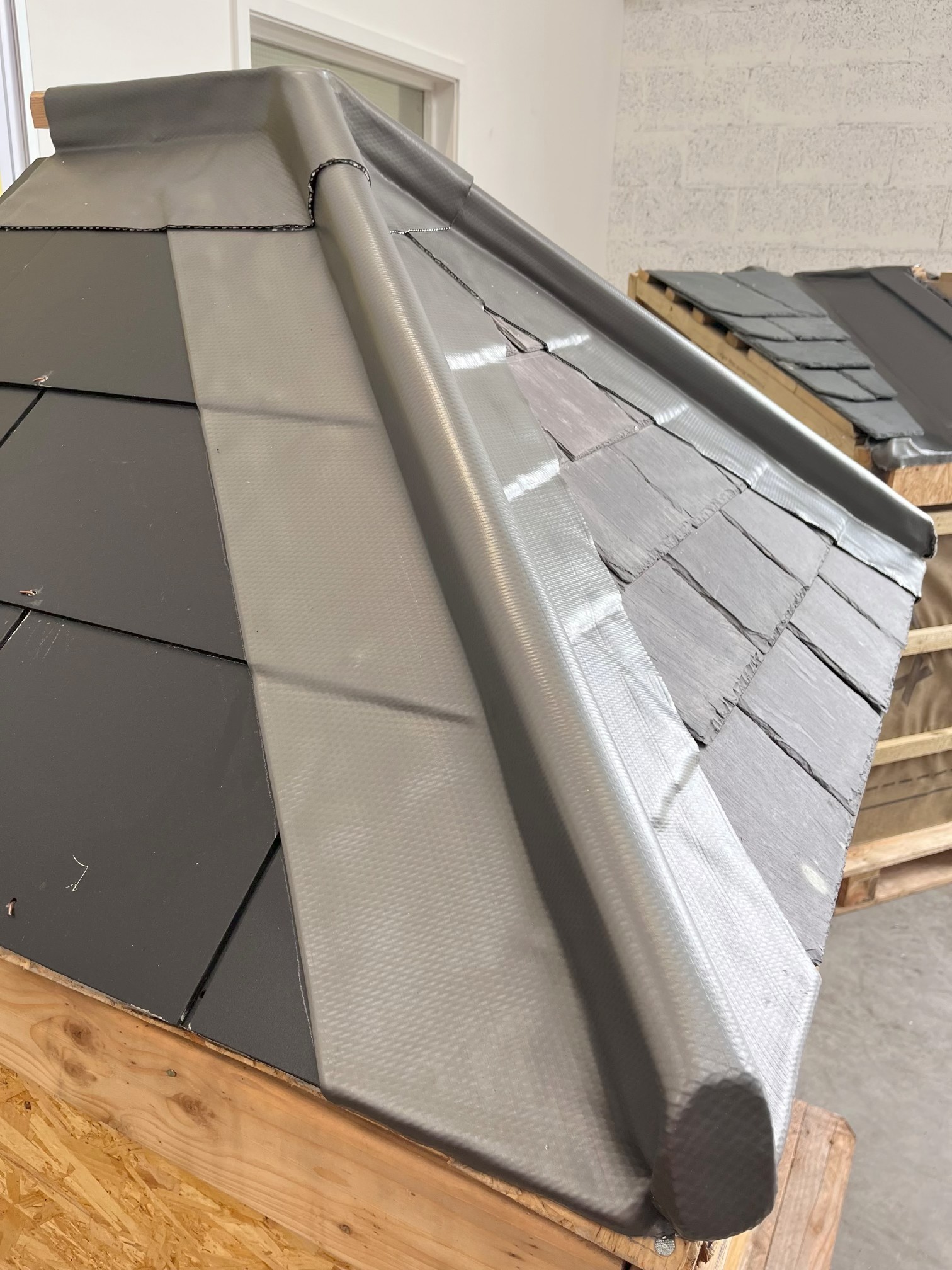
Leadax has the appearance and flexibility of traditional lead, but is considerably lighter. It can be dressed into complicated details, supplied in continuous lengths of up to six metres, reducing the number of joints, and installed without the hot works associated with lead welding.
For my business, these are significant practical advantages. My apprentices can develop their skills working with a modern material while maintaining the craftsmanship our customers expect.
03 / A CONSIDERED CHOICE
A reputation built over decades
Of course, no material compensates for poor workmanship. Correct preparation, detailing and installation remain essential, regardless of the product.
I also recognise that some heritage projects require traditional materials to satisfy conservation specifications. That is entirely understandable.
But where we have a choice, I believe we should be prepared to question established practices.
After more than three years of installing Leadax on customers’ properties, I have developed genuine confidence in what it offers.
I have never been someone who endorses products lightly. My reputation has taken decades to establish, and I wouldn’t put it behind a material I didn’t believe in.
For me, Leadax is no longer simply another alternative on the market. It is a genuine, practical alternative to lead.